Entrepreneurship is often likened to a high-stakes poker game. The pressure of decision-making under uncertainty, the need for strategic thinking, and the constant risk management are all familiar territory to both entrepreneurs and poker pros. However, just as poker players can fall victim to tilt — a state of emotional frustration leading to poor decisions — entrepreneurs can suffer from burnout, a debilitating condition that impairs performance and wellbeing.
In this article, we’ll explore the parallels between poker mental game fundamentals and the entrepreneurial journey. We’ll cover key concepts like burnout prevention, strategic pauses, decision-making under pressure, and emotional control. Along the way, we’ll provide actionable insights on how to take a strategic pause, recognize job burnout symptoms, and build psychological resilience to thrive in high-pressure environments.
Understanding Burnout in Entrepreneurs: Recognizing the Signs
Burnout is a state of chronic physical and emotional exhaustion caused by prolonged stress and overwork. For entrepreneurs, who often juggle multiple roles and responsibilities, the risk is especially high. Recognizing the warning signs is crucial to prevent the spiral into full-blown burnout.
- Job burnout symptoms include persistent fatigue, irritability, lack of motivation, and decreased productivity. Other indicators are brain fog at work, difficulty concentrating, and cognitive overload symptoms such as forgetfulness and indecision. Ask yourself: Am I burnt out? Taking an Am I burnt out quiz can help identify your current state.
Left unchecked, burnout can lead to poor decision-making, emotional exhaustion, and even physical health problems. That’s why it’s essential to proactively incorporate strategies drawn from disciplines like poker psychology basics and mental game fundamentals.
What Poker Teaches Us About Burnout Prevention and Mental Resilience
Professional poker players operate in environments of intense pressure, uncertainty, and emotional volatility. Their survival depends on mastering tilt prevention strategy and emotional control in gaming — skills directly transferable to entrepreneurship.
What is Tilt and Why Does It Matter?
Tilt definition refers to a poker player’s emotional breakdown after a bad run or “bad beats,” leading to reckless, emotional decision-making often called gamer rage. Tilt can cost players significant money — understanding how much does tilt cost can be eye-opening.
Entrepreneurs experience their own version of tilt. When facing setbacks or failures, emotional decision making can lead to costly business mistakes. Learning poker tilt control and avoiding tilt after bad beats helps build mental toughness and psychological resilience.
Strategic Pause Definition and Its Benefits
One of the most powerful tools in poker and entrepreneurship alike is the strategic pause. This means intentionally stepping back during high-pressure moments to clear your head and reassess the situation.
Benefits of taking breaks and strategic pauses include:
- Reducing emotional reactivity Improving clarity and focus Preventing cognitive overload and brain fog Enhancing problem-solving techniques and decision-making quality
Knowing how to take a strategic pause involves recognizing the signs of stress and deliberately removing yourself from the situation momentarily — even a few minutes of deep breathing or a microbreak can reset your mental state.
How to Think Clearly Under Pressure: Poker Psychology Basics for Entrepreneurs
Thinking clearly under pressure is one of the toughest challenges entrepreneurs face. Poker pros have developed techniques to stay calm and analytical when the stakes are highest. Here’s how you https://radaronline.com/p/the-strategic-pause-why-taking-break-can-be-your-best-move/ can apply them:
Step back and gain perspective. When emotions run high, take a break to avoid impulsive decisions. Practice emotional control in gaming. Use mindfulness or breathing exercises to stay grounded. Focus on risk management lessons from poker. Understand the potential downsides before making a decision. Build mental resilience exercises. Regularly challenge your cognitive limits to improve stress tolerance. Adopt bankroll management tilt strategies. Just as poker players manage their funds carefully, entrepreneurs should manage resources conservatively to avoid catastrophic losses.By mastering these elements, you develop a mindset similar to how to think like a poker pro — patient, strategic, and emotionally detached from short-term losses.
Why Breaks Are Important for Success: The Psychology of Breaks and Productivity
Many entrepreneurs overlook the importance of rest, fueling burnout and decreasing productivity. Science and poker coaching rates both emphasize the value of breaks for performance.
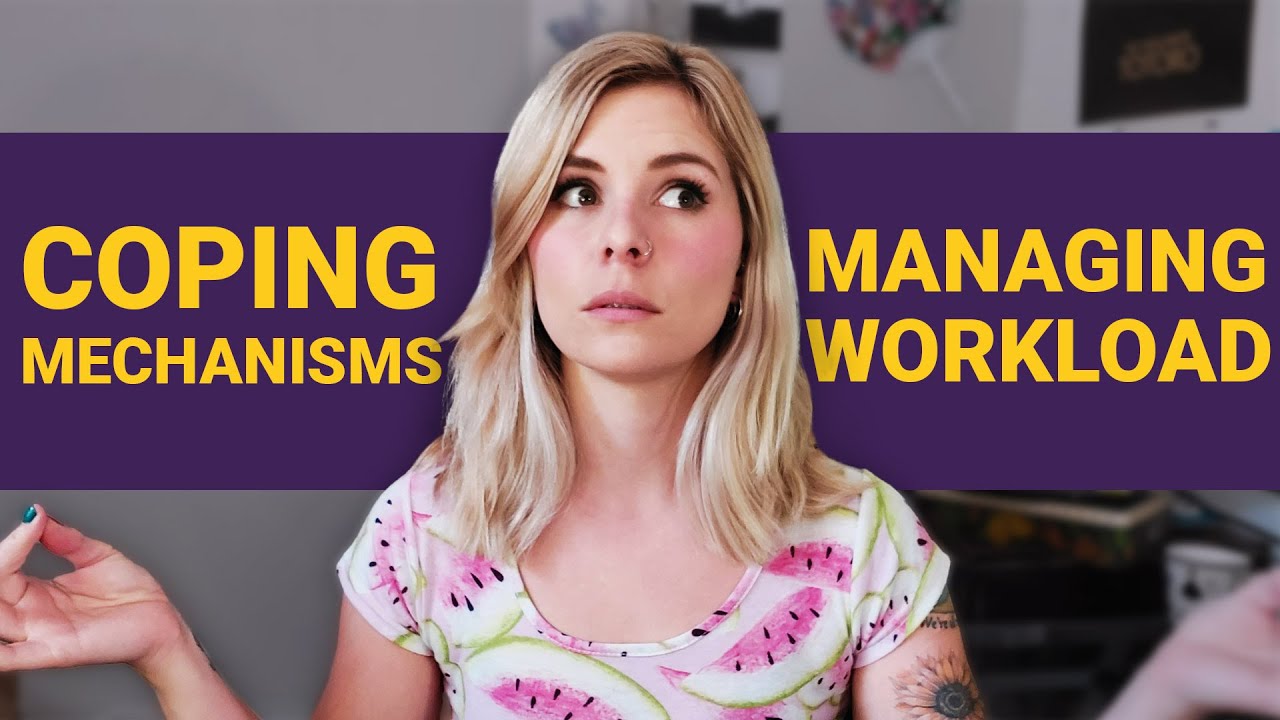
Why breaks are important for success:
well,- Prevent cognitive overload by reducing sustained mental effort. Boost creativity and problem-solving by allowing subconscious processing. Improve focus and reduce errors upon return to work. Help maintain emotional balance and prevent tilt or burnout.
Techniques like the Pomodoro technique and microbreaks at work are practical ways to schedule effective break times.
Self-Management vs. Self-Care: What Entrepreneurs Need to Know
Entrepreneurs often confuse self-management techniques with self-care. While related, they are distinct concepts:
Self-Management Self-Care Focused on regulating behaviors, emotions, and habits for productivity and long-term goals. Focused on nurturing physical, emotional, and mental wellbeing for balance and recovery. Includes time management, strategic pausing, prioritization, and stress coping mechanisms. Includes rest, nutrition, exercise, mindfulness, and social support. Is essential to maintain performance under pressure. Is necessary but not always sufficient alone to prevent burnout.In other words, is self-care enough? Not by itself. Entrepreneurs must blend both self-management and self-care to build sustainable mental resilience.
Recovering from Professional Burnout: Steps to Reclaim Your Edge
Recovering from burnout is a gradual process that requires intentionality and patience, much like recovering from a tough losing streak in poker.
Identify and acknowledge burnout through self-assessment tools like the Am I burnt out quiz. Prioritize rest and incorporate benefits of taking breaks into your daily routine. Seek support from mentors, coaches, or mental health professionals. Wondering is a poker coach worth it? For entrepreneurs, coaches can provide accountability and new perspectives. Rebuild mental toughness by practicing mental resilience exercises to better handle pressure. Revise your workflow to include regular strategic pauses and prevent future burnout.Applying Poker Strategy to Business: Risk Management and Patience
One of the most valuable lessons poker teaches about life and entrepreneurship is effective risk management. Every move in poker involves calculating odds and potential outcomes — a mindset entrepreneurs must adopt to minimize losses and maximize gains.
Why is patience important in poker? Because waiting for good hands or opportunities significantly improves success rates. Similarly, learning how to be more patient poker style teaches entrepreneurs to avoid rash decisions and wait for the right moment to act.
In business, this translates to measured decision-making, avoiding emotional impulsivity, and cultivating long-term vision — skills critical to prevent burnout and maintain sustainable growth.
Maximizing Your Mental Game: Practical Techniques to Implement Today
Here are practical tips integrating poker mental game fundamentals with entrepreneurial burnout prevention:
- Take microbreaks at work every 60-90 minutes to prevent cognitive fatigue. Use the Pomodoro technique (25 minutes work, 5 minutes break) to boost productivity and reduce mental strain. Practice mindfulness meditation to improve emotional control in gaming and business stress. Develop a tilt prevention strategy by recognizing triggers and having a plan to step away. Implement bankroll management tilt principles by managing your business finances conservatively to avoid stress-induced decisions. Schedule regular check-ins with a coach or mentor to get feedback and stay accountable.
Exploring Rakeback and Value Optimization: A Side Note from Poker
While seemingly unrelated, poker’s concept of rakeback — a system where players receive a portion of the casino’s commission back — teaches entrepreneurs about maximizing return on investment. For example, vip-grinders rakeback and highest rakeback poker sites show how savvy players optimize their earnings.
Similarly, entrepreneurs should continuously seek ways to optimize resources, negotiate better deals, and invest wisely to improve business outcomes and reduce stress.
Conclusion: Winning the Game of Entrepreneurship by Mastering Your Mental Game
Entrepreneurship is a marathon of strategic thinking, emotional control, and tough decision-making. Like poker pros, entrepreneurs must learn how to manage tilt, take strategic pauses, and build mental toughness to avoid burnout and sustain peak performance.
By understanding poker psychology basics and the psychology of breaks, you can develop a balanced approach that values both productivity and wellbeing. Incorporate proven self-management techniques, prioritize benefits of taking breaks, and cultivate patience and resilience.
Remember, even the best poker players take breaks, reflect, and adjust their strategies. So should you — sometimes the best move is to step back, clear your head, and return stronger. That’s how you stop losing money (or opportunities), prevent burnout, and win at both poker and business.
